
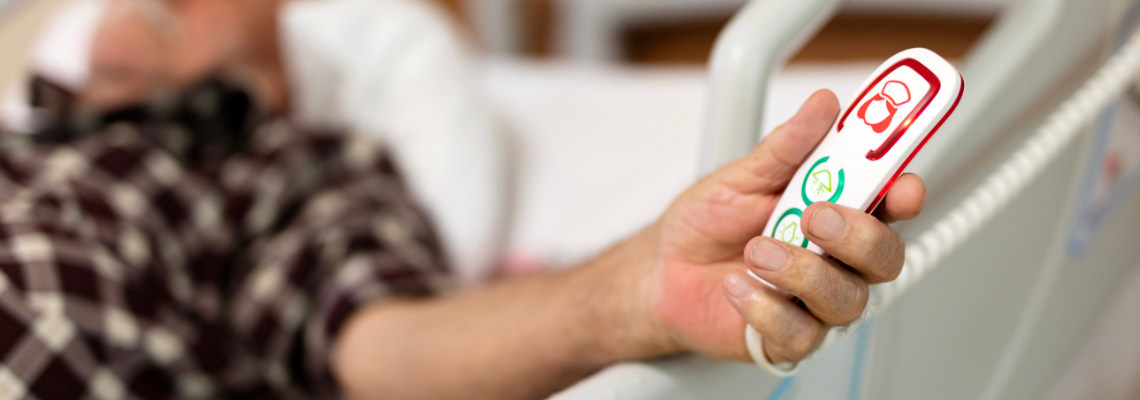
The COVID-19 pandemic has underscored the importance of adapting healthcare systems to handle sudden surges in patient volume while ensuring the safety of both patients and healthcare workers. As healthcare facilities were overwhelmed with critically ill patients, the need for efficient infection control and continuous patient monitoring became even more apparent.
One crucial component of this infrastructure is the emergency call system. At Sapien Healthcare, based in New York, we recognize that modern emergency call systems not only facilitate urgent communication but also play a pivotal role in managing infection control and providing continuous patient monitoring during pandemics and other healthcare crises.
Minimizing Infection Risk Through Contactless Technology
One of the most significant challenges during pandemics is minimizing the risk of cross-contamination between patients and healthcare workers. Traditional nurse call systems, while effective in alerting staff to urgent needs, often require physical interaction with buttons or cords, creating potential for virus transmission. Modern emergency call systems, however, are incorporating contactless technologies to reduce the risk of exposure.
At Sapien Healthcare, we offer systems that use motion-sensing or voice-activated features, allowing patients to call for assistance without touching any physical device. This reduces the likelihood of surface transmission of infectious agents, particularly in environments where strict infection control protocols are necessary, such as in intensive care units (ICUs) or isolation rooms for patients with contagious diseases. Additionally, contactless systems allow healthcare providers to engage with patients more safely, minimizing unnecessary contact while still being able to respond to their needs.
Real-Time Alerts for Enhanced Monitoring
During pandemics, healthcare facilities face the challenge of managing large numbers of patients who may have varying levels of severity in their conditions. The ability to continuously monitor patients and respond immediately to their changing needs is essential. Modern emergency call systems can be integrated with patient monitoring devices to provide real-time alerts, allowing healthcare providers to react swiftly to patient conditions that may be deteriorating.
For example, when a patient in a respiratory distress situation triggers an emergency call, the system can automatically relay data about the patient’s vital signs—such as oxygen saturation levels, heart rate, and blood pressure—directly to the nurse or physician’s mobile device. This integration enables healthcare professionals to assess the severity of the situation before even reaching the patient’s room, ensuring that the appropriate team members are alerted, and the necessary medical interventions are applied quickly.
This real-time monitoring capability is especially crucial in managing patients with highly infectious conditions, as it allows healthcare providers to act swiftly to prevent complications and reduce the risk of further spread.
Remote Monitoring and Telehealth Integration
As the healthcare industry increasingly embraces telemedicine, emergency call systems have adapted to support remote monitoring and virtual consultations, especially during pandemics when limiting in-person visits is critical. By integrating with telehealth platforms, modern emergency call systems enable patients to connect with healthcare providers remotely without the need for physical contact.
When a patient activates the emergency call system, the healthcare team can instantly engage via video calls, assess the patient’s symptoms, and make informed decisions about care, including whether an in-person visit is necessary. This capability not only reduces the risk of infection but also ensures that healthcare professionals can offer timely care to more patients, even those who may not need an immediate in-person examination.
Moreover, remote monitoring can help track patients with chronic conditions or those recovering from infectious diseases, allowing for continuous observation of their health status while minimizing unnecessary exposure to healthcare staff.
Coordinating Infection Control Measures
During pandemics, infection control protocols are of paramount importance. Modern emergency call systems play an essential role in facilitating these protocols by supporting the coordination of infection control measures between patients and staff. For instance, when a patient in isolation or a COVID-19-positive patient activates a call for assistance, the emergency call system can trigger an automatic alert to notify the healthcare team about the need for personal protective equipment (PPE) and other infection control procedures.
This feature helps to ensure that healthcare workers are always equipped with the necessary protective gear before entering high-risk areas, reducing their exposure and the potential spread of the infection. Furthermore, emergency call systems can integrate with hospital workflows to monitor the use of PPE, track patient locations within isolation zones, and maintain strict protocols that protect both patients and staff.
Streamlining Patient Flow and Reducing Congestion
During a pandemic, healthcare facilities may be overwhelmed with large numbers of patients needing immediate care. Managing patient flow efficiently becomes critical to ensuring that each patient receives timely attention while minimizing overcrowding. Emergency call systems help streamline patient flow by alerting staff to areas where immediate action is needed, enabling healthcare teams to prioritize their responses based on urgency.
For example, in triage areas or emergency departments, modern systems can help direct staff to high-priority patients or alert them when a patient’s condition has changed, ensuring that the highest-risk individuals are given immediate attention. This reduces unnecessary delays in care and helps maintain a steady, organized flow of patients within the facility.
Sapien Healthcare’s Commitment to Infection Control and Patient Safety
At Sapien Healthcare, we are committed to providing healthcare solutions that enhance patient safety and improve care delivery. Our advanced emergency call systems are designed with infection control and patient monitoring at the forefront, providing hospitals, clinics, and care facilities with the tools they need to navigate pandemics safely and efficiently.
By offering contactless features, real-time alerts, remote monitoring capabilities, and seamless integration with telehealth systems, we help healthcare providers reduce infection risk, improve response times, and ensure that patients receive the best possible care. As the healthcare landscape continues to evolve, we are proud to offer solutions that support infection control measures while enhancing the overall patient experience.
For more information on how our emergency call systems can help your facility improve infection control and patient monitoring, visit Sapien Healthcare today.