
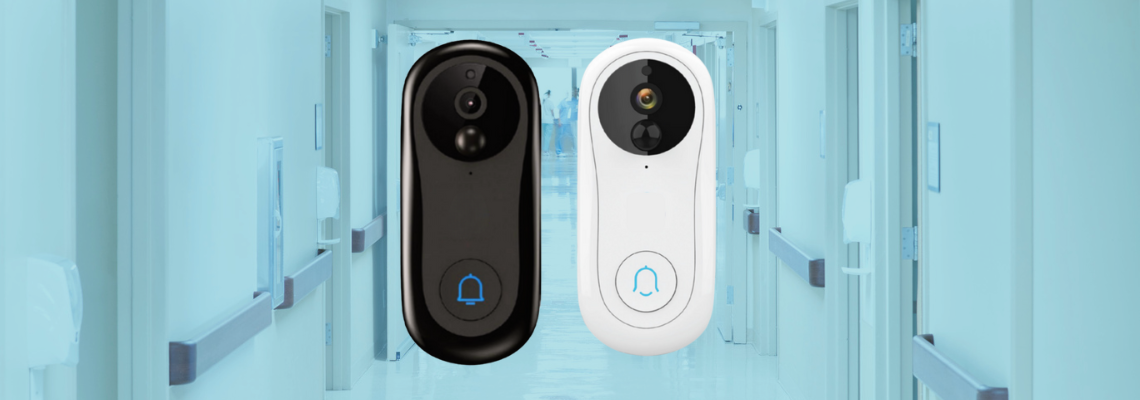
From a simple ring to intelligent care, nurse call systems have come a long way.
In the ever-changing world of healthcare, communication is everything.
Whether it is a patient needing urgent help or a nurse managing multiple rooms, the need for fast, clear, and reliable alerts is critical.
That is where nurse call systems step in, once a basic bell, now an intelligent tech-enabled assistant.
Let us take a journey through time and technology to understand how nurse call systems evolved from simple mechanical tools to today’s smart healthcare communication systems.
A simple beginning: When Bells Rang for Help
Long before hospitals Visit Home Page had digital dashboards, nurse call systems were simple. In the early 1800s, a string-and-bell system was used where patients would pull a cord that rang a bell in the nurses’ station.
These systems were manual and basic, but they served one vital purpose: alerting a caregiver that help was needed. While revolutionary at the time, these systems had clear limitations.
Nurses had no idea who was calling or why, they had to check each room manually.
When every second counts, a bell was just the beginning.
Electric Buzzers and Lights: The First Step Toward Smart Care
As electricity entered the scene in the early 20th century, nurse call systems got a much-needed upgrade. Electric buzzers and lights replaced manual bells. Now, each patient room had a dedicated switch that triggered a light or buzz in the nurse’s area.
This innovation allowed for room-specific alerts, reducing response time and confusion.
But still, nurses needed to walk into each room to know what kind of help was required.
The Digital Leap: Paging Systems and Intercoms
By the 1960s and 70s, healthcare started embracing digital solutions. Hospitals installed intercom systems, allowing two-way communication between patients and nurses. Some even had pagers or basic displays showing the room number calling for help.
This was a major turning point, nurses could now ask questions, prioritize responses, and provide reassurance before even entering the room.
Wireless and Mobile Technology: A New Era Begins
The 1990s introduced wireless communication systems that allowed nurses to receive alerts on pagers or handheld devices. These systems made it possible to stay connected even when moving across departments. It improved patient safety and Nurse Call System – Product Info reduced response times significantly.
With wireless technology, nurse call systems became faster, more reliable, and less dependent on fixed stations.
Today’s Smart Systems: More Than Just a Call
Welcome to the age of smart hospitals. Today’s nurse call systems are powered by IoT (Internet of Things), latest cloud based software, and real-time analytics.
Here are what modern nurse call systems can do:
- Integrate with hospital management systems
- Prioritize emergency alerts
- Record response time data
- Enable voice communication
- Route alerts to the right personnel
- Provide multilingual support
With touchscreen devices, wearable smart badges, and automated dashboards, hospital staff are now better equipped than ever before to respond to patient needs quickly and accurately.
Now, a nurse does not just get a call, they get the full picture.
Why Modern Hospitals Need Smart Nurse Call Systems
In today’s busy hospital environment, every second matters. A smart nurse call system offers:
- Improved patient satisfaction
- Faster emergency response
- Better staff management
- Reduced nurse fatigue
- Higher hospital efficiency
Whether it’s a private room or an ICU ward, these systems help streamline workflow, reduce noise pollution, and create a calm, focused environment for healing.
Nurse Call Systems and Patient-Centered Care
Smart nurse call systems do more than just send alerts. They are a core part of patient-centered care—putting the patient’s comfort, safety, and communication at the heart of hospital services.
Patients feel safer knowing their call will be heard and responded to. Nurses feel empowered with the tools to manage time and tasks more effectively.
What Does the Future Hold?
As healthcare continues to evolve, so will nurse call systems. Future innovations may include:
- AI-based triage alerts
- Integration with wearable patient monitors
- Voice-activated systems
- Predictive maintenance using machine learning
The goal? Proactive care rather than a reactive response.
A Bell That Became a Brain
From the soft ring of a bell to intelligent systems that think and respond, nurse call systems have become the unsung heroes of healthcare. They help build trust between caregivers and patients, boost efficiency, and create safer, smarter hospitals.
At your hospital, we believe that upgrading to smart nurse call systems is not just a technology choice, it is a step toward better care, better communication, and better outcomes.
Because in healthcare, a call for help should never go unanswered.