
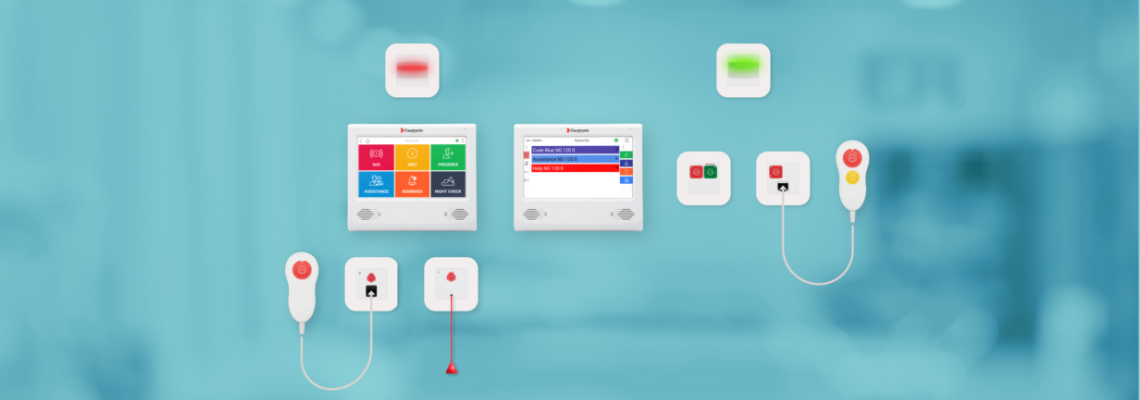
In an emergency, every second counts and every signal matters.
Hospitals are places where fast action can save lives. Whether it is a small issue or a serious emergency, the ability to call for help quickly is very important. This is where emergency call systems come in. But just having these systems is not enough. They must be well-connected with the hospital’s setup to make a real difference.
As hospitals grow bigger and more advanced, the way they handle emergencies must also improve. Today, it is not only about having alarms or call buttons. It is about making sure these systems are smart, quick, and connected to all the important parts of the hospital – from nurses’ stations to doctors’ phones.
Let us explore how integrating emergency call systems with hospital infrastructure helps save time, improve care, and make hospitals more efficient.
What Is an Emergency Call System?
An emergency call system allows patients, nurses, or even visitors to request help during an emergency. With just a press of a button or sensor, a signal is sent to alert the staff. These systems are placed in important areas like patient rooms, restrooms, ICUs, and operating theaters.
But for these systems to work their best, they need to be connected with other hospital tools. This integration helps deliver the alert to the right person at the right time.
Tagline: A call for help should never be missed.
Why Is Integration So Important?
Let us imagine a patient presses the emergency button because they are having trouble breathing. If the system is properly integrated, the alert is not only seen on the wall screen — it also reaches the nurse’s phone, alerts the doctor, and updates the patient’s digital records.
This kind of setup offers many benefits:
● Faster response from nurses or doctors
● Better communication between staff
● Safer environment for patients
● Clear records of every emergency call
How Integration Works in a Modern Hospital
When systems work together, patients receive better care.
Hospitals use many smart tools like Electronic Health Records (EHRs), mobile apps, and cloud systems. A modern emergency call system can connect with all these tools.
Here is how:
● EHR Integration: Every time a patient presses the emergency button, it’s recorded in their health file, so the hospital has a clear record of when and how staff responded.
● Mobile Alerts: Staff can get alerts directly on their smartphones or smartwatches. This is helpful when they are not at their desks.
● Sensor-Based Systems: In some advanced setups, the system can sense sudden movements or falls and send an
alert even if the patient doesn’t press the button.
● Visual & Sound Alerts: Lights blink or alarms sound to guide nurses to the right room quickly.
Why Wireless Integration Is the Future
Older hospitals used only wired call systems, but today, many hospitals are switching to wireless emergency call systems. These are easier to install and move. They can also be set up faster in case of emergencies or during times like pandemics when hospitals need to expand quickly.
Wireless systems are also good for remote areas or for upgrading old hospital buildings.
How It Helps Patients Feel Safe
Confidence begins with care.
When patients know help is just one press away, and that someone will respond fast, it makes them feel safe and cared for. This is very important for elderly people, ICU patients, and those with mobility problems.
It also builds trust among family members who know their loved ones are in good hands.
When hospitals invest in integrated systems, patients feel better, staff work better, and outcomes improve.
Using Data to Improve Hospital Services
Integrated emergency systems also help hospitals collect and use data wisely. For example, they can see:
● How quickly the staff responded to calls
● Which departments get the most calls
● What times of day are busiest
● How well do different staff members handle alerts?
This data helps hospital managers improve staff training, plan better schedules, and make smarter decisions.
Planning Infrastructure for Integration
To get the best out of emergency systems, hospitals must think about integration from the design stage itself. When building or renovating a hospital, planners must consider:
● Where to place emergency call buttons
● Ensuring a strong network or Wi-Fi signal
● Connecting the system to power backups
● Making sure patients can reach call points easily
Hospitals should work with reliable technology partners who understand healthcare needs and patient flow.
You cannot prevent all emergencies, but you can be ready for them.
Smart Integration Saves Lives
Emergency call systems are not just add-ons, they are essential for patient safety. When they are connected to the hospital’s larger system, they work faster and smarter. This means patients get help sooner, staff stay better informed, and care becomes more organized.
In today’s fast-moving world of healthcare, a connected system is a caring system.
If you are building or upgrading a hospital, make sure your emergency call setup is fully integrated. It is one of the best investments you can make for patient safety, staff support, and hospital success.
From buttons to bedside, every second matters, make those seconds count.